

Remedial Massage for Martial Artists: What to Expect in a Session
Why Martial Artists Need Targeted Massage
Combat sports like MMA, boxing, BJJ, and kickboxing place high demands on the body.
Training involves:
Repetitive striking
Grappling and clinch work
Explosive movements
High training volume
Over time, this can lead to:
Muscle tightness
Reduced mobility
Fatigue accumulation
Increased injury risk
Remedial massage helps manage these stresses and keep athletes training consistently.
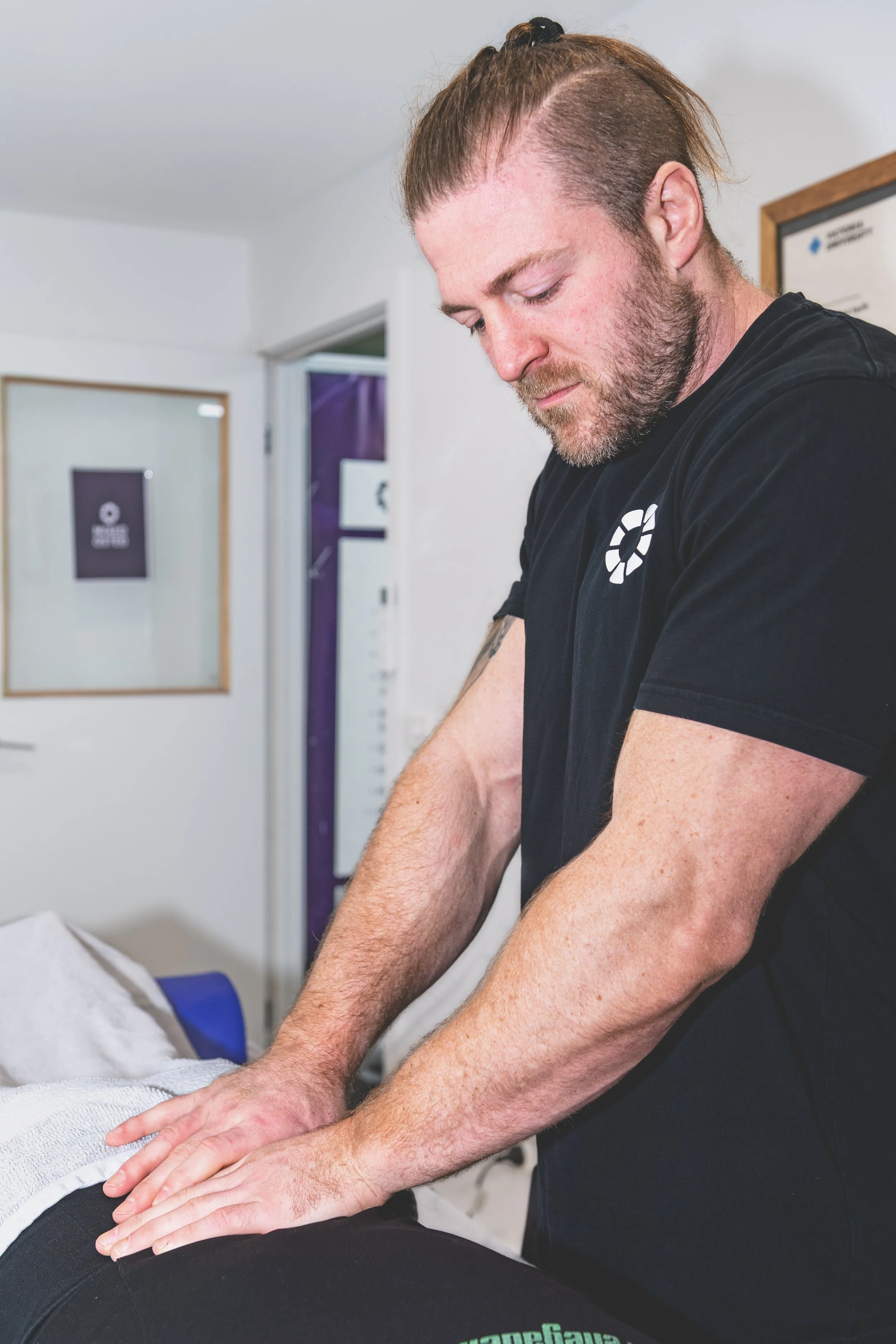
What Makes Remedial Massage Different?
Remedial massage is not a generic, relaxation-based treatment.
It is:
Targeted
Assessment-driven
Specific to your sport
Focused on performance and recovery
For martial artists, this means treating the areas most impacted by training.
What Happens in a Session?
1. Initial Assessment
Each session begins with a brief assessment to understand:
Your training load
Current injuries or tightness
Areas of restriction
Upcoming fights or competitions
This ensures treatment is tailored to your needs.
2. Movement and Problem Area Identification
Rather than treating the whole body randomly, focus is placed on:
Key restricted areas
Muscles under the most load
Patterns affecting performance
Common focus areas for martial artists include:
Neck and shoulders
Upper back
Hips and glutes
Calves and forearms
3. Targeted Soft Tissue Work
Treatment may include:
Deep tissue techniques
Trigger point release
Myofascial work
Muscle lengthening techniques
This helps:
Reduce tension
Improve blood flow
Restore movement
4. Addressing Sport-Specific Demands
Treatment is often tailored to your discipline:
Strikers (boxing, kickboxing)
Focus on shoulders, trunk rotation, hips
Grapplers (BJJ, wrestling)
Focus on neck, upper back, grip muscles
MMA athletes
Combination of both with full-body demands
5. Post-Treatment Advice
You may receive guidance on:
Mobility exercises
Recovery strategies
Training modifications
Strength work
This helps extend the benefits of the session beyond the clinic.
What Should You Feel After a Session?
After treatment, most athletes notice:
Reduced muscle tightness
Improved range of motion
Easier movement
Better recovery between sessions
Some mild soreness can occur, especially after deeper work, but this typically settles quickly.
When Should Martial Artists Get Massage?
Frequency depends on training intensity.
General guidelines:
Heavy training → every 1–2 weeks
Maintenance → every 3–4 weeks
Fight prep → more frequent leading into competition
Regular treatment helps prevent issues before they impact training.
How Remedial Massage Improves Performance
Massage is not just about recovery — it also supports performance by:
Improving movement efficiency
Reducing unnecessary tension
Supporting faster recovery
Allowing more consistent training
Consistency is one of the biggest drivers of progress in combat sports.
Remedial Massage for Martial Artists in Melbourne
At Mixed Osteo in Kensington, Melbourne, we regularly work with:
MMA fighters
Boxers
BJJ athletes
Kickboxers
Many athletes from Flemington, Footscray, North Melbourne, and surrounding areas use remedial massage to stay on top of training demands and prevent injuries.
Train Hard, Recover Smarter
Remedial massage is a valuable tool for any martial artist looking to:
Stay injury-free
Improve recovery
Maintain performance
It’s not just about feeling better — it’s about training better over time.
Book an Appointment
If you’re dealing with tightness, fatigue, or recurring issues from training, remedial massage can help.
Mixed Osteo in Kensington, Melbourne, offers treatment tailored to martial artists and combat athletes.
👉 Book online or call +61 3 4054 1621
