

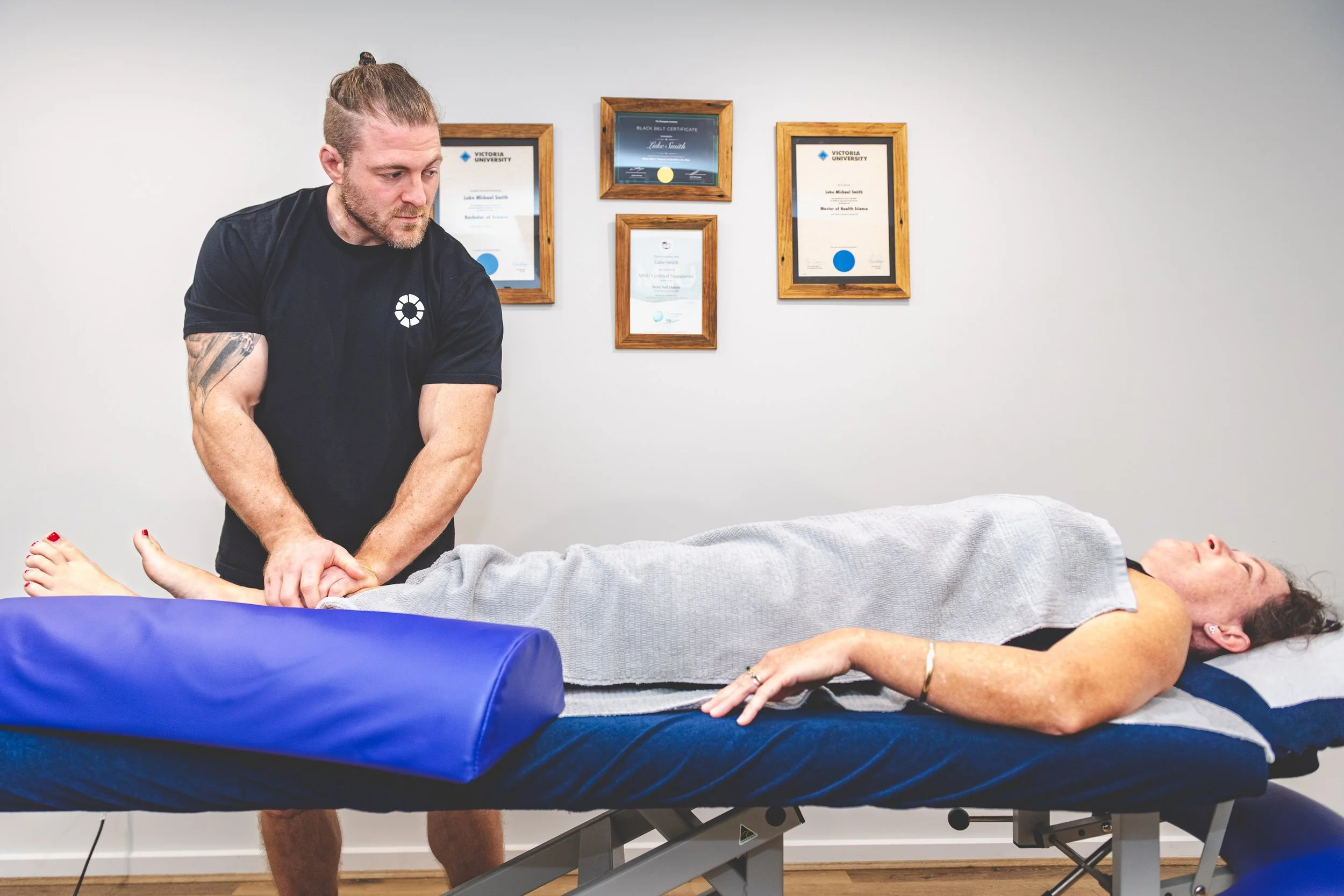
Hip Tightness in Combat Athletes: What's Actually Going On
Grapplers and strikers get tight hips for different reasons. Here's why it builds up, and what actually helps manage it.
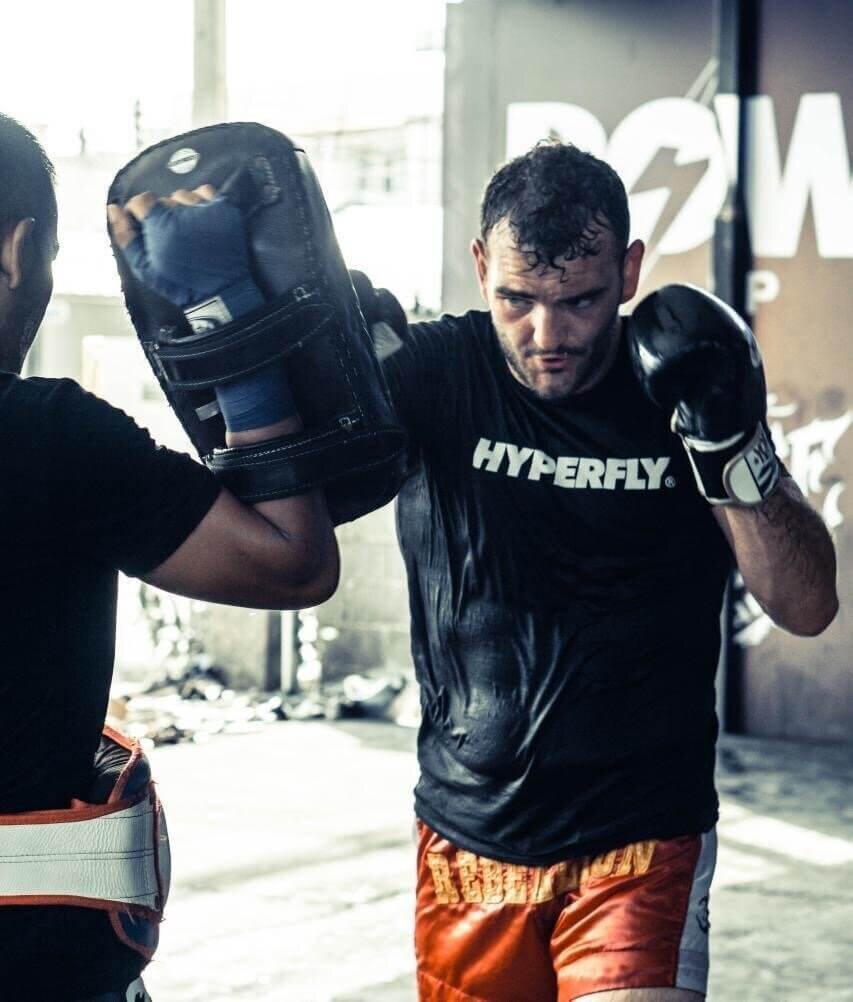
Shin conditioning or a stress injury? How to tell the difference
Sore shins after pad work is normal. Shins that hurt more each week is not. One question tells you which one you're dealing with, before it becomes a stress fracture.
Remedial Massage and Sleep: Why Poor Sleep Undoes Recovery
You can book massage every fortnight and still feel tight if sleep isn't part of the picture. Here's why sleep is the bigger recovery lever.
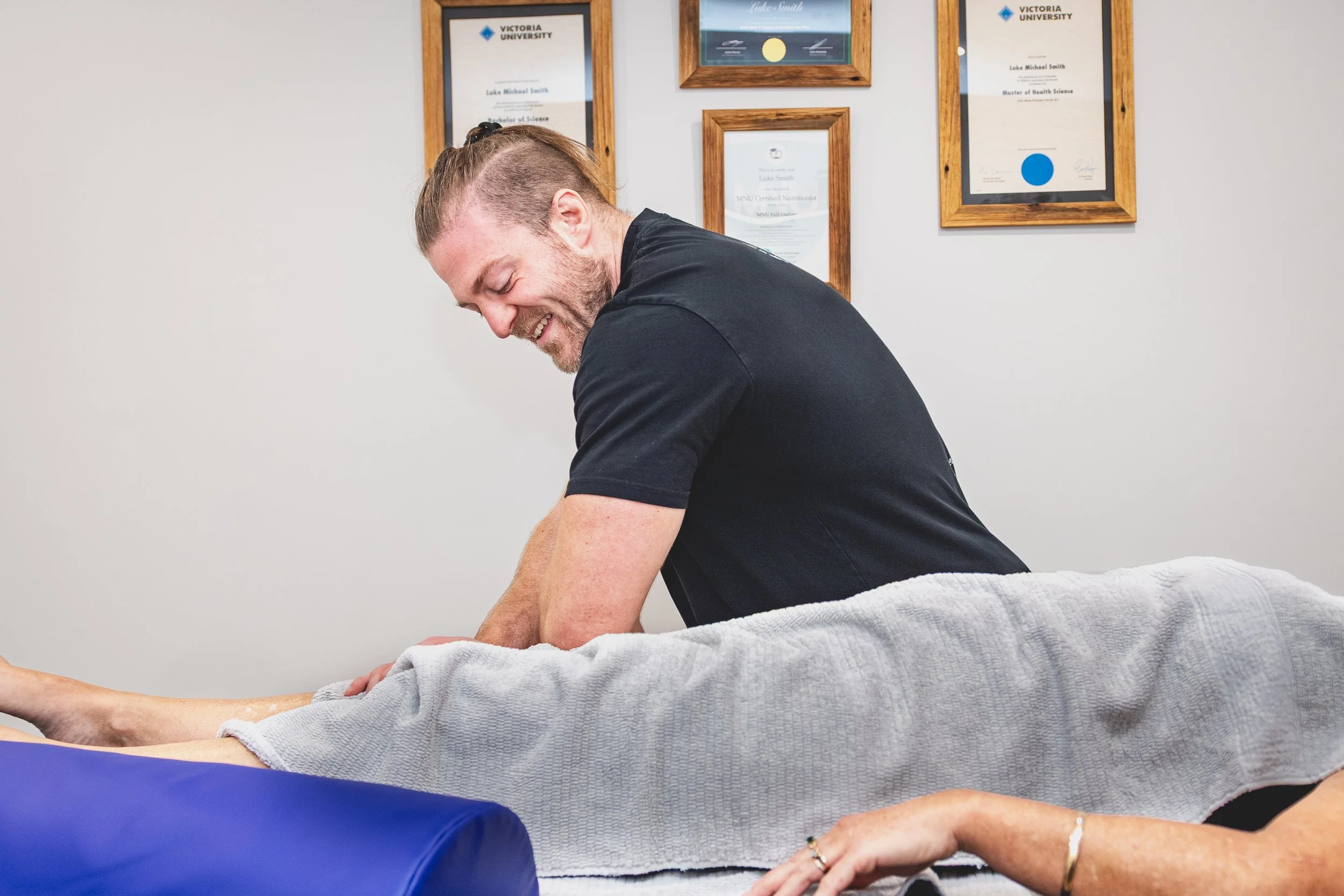
Should You Stretch Before or After Remedial Massage?
Stretching before or after your massage changes what you get out of it. Here's why after usually works better, and what to do between sessions.
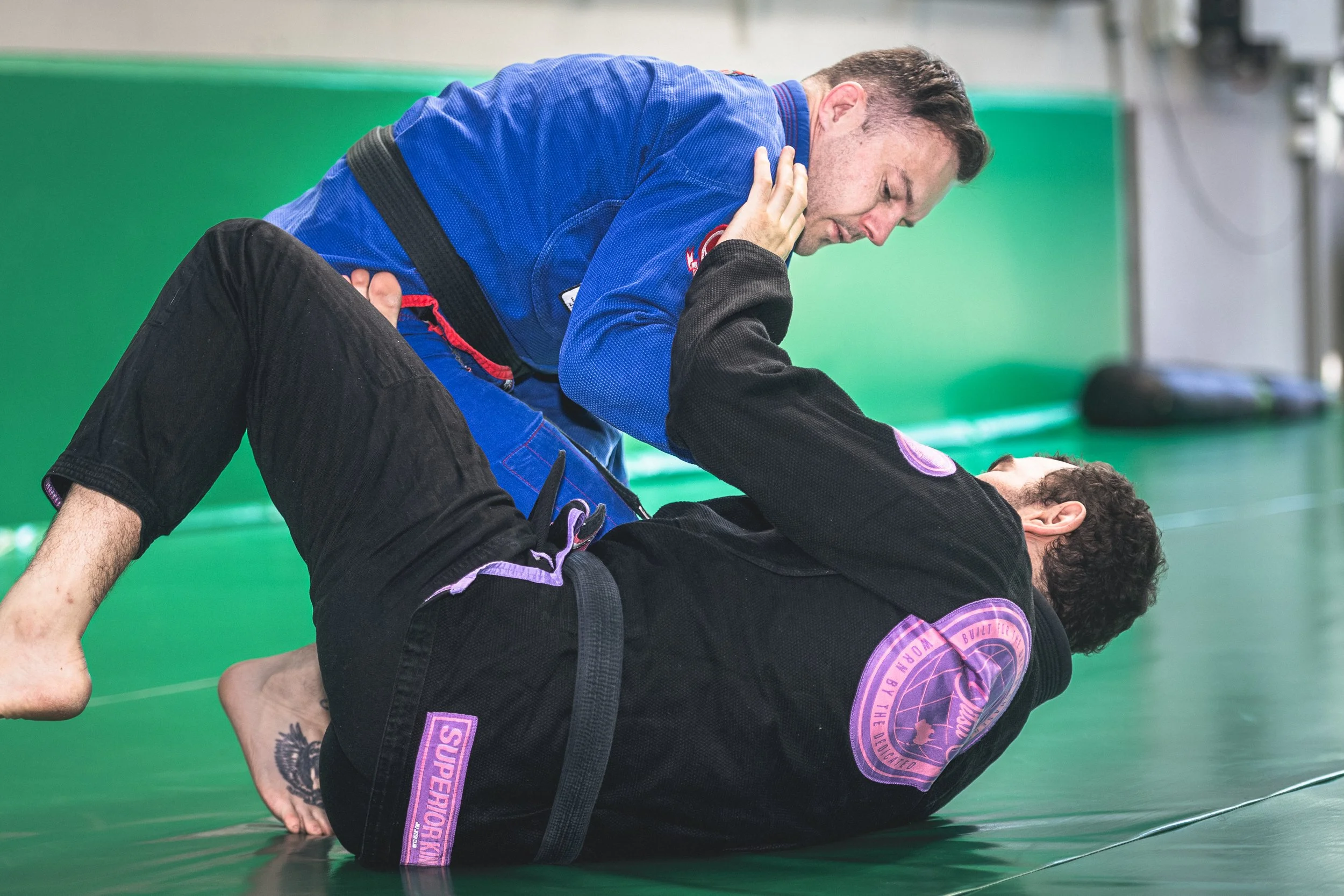
Heel hooks and knee injuries in BJJ: what actually gets damaged
A heel hook doesn't bend the knee, it rotates it — and the injuries that matter often don't hurt much at the time. Here's what to actually watch for, and realistic timelines back to rolling.
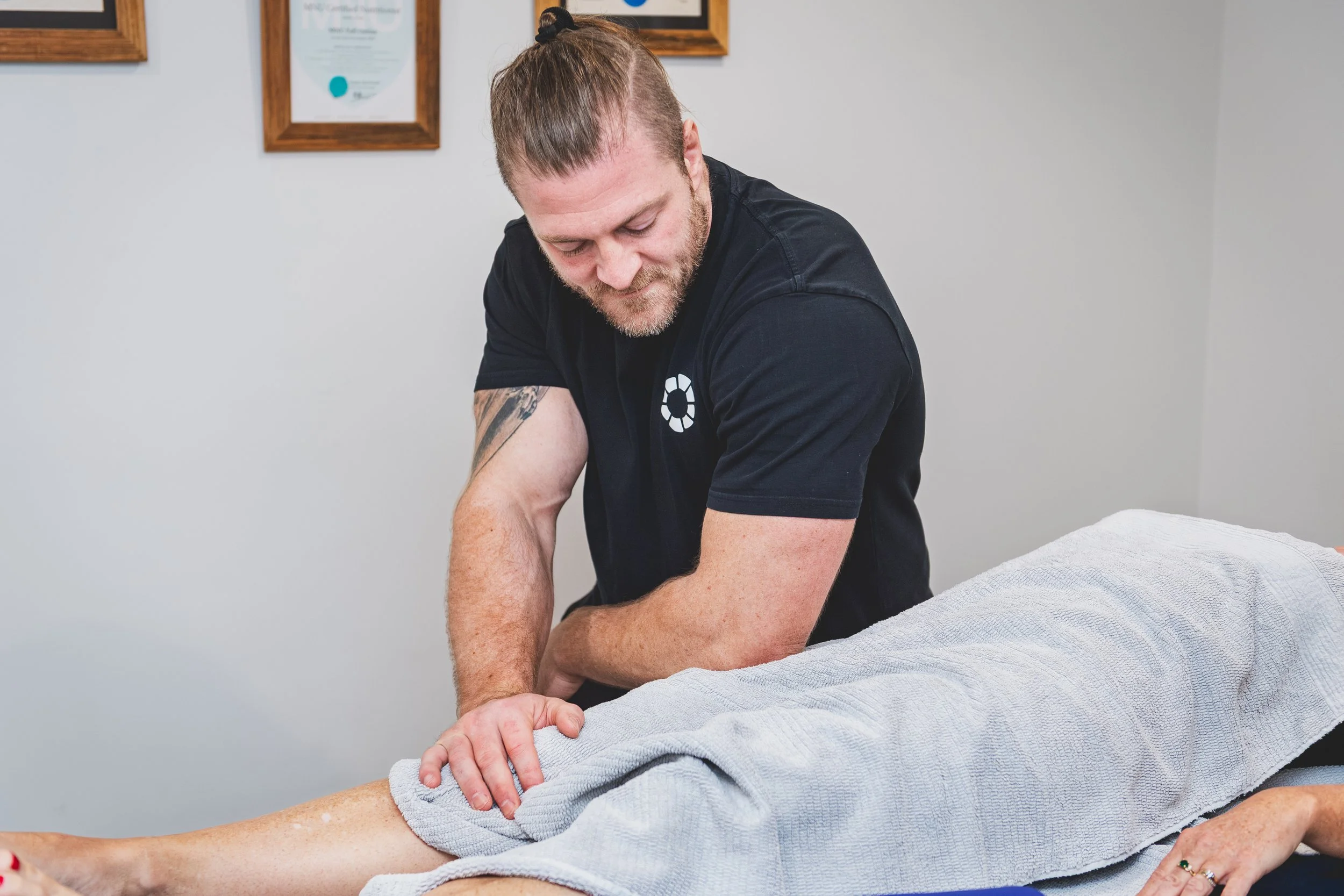
Remedial Massage for Grapplers: Grip Strength, Forearms and Recovery
Grip fighting takes a toll most general fitness training doesn't touch. Here's why grapplers' forearms need specific attention.
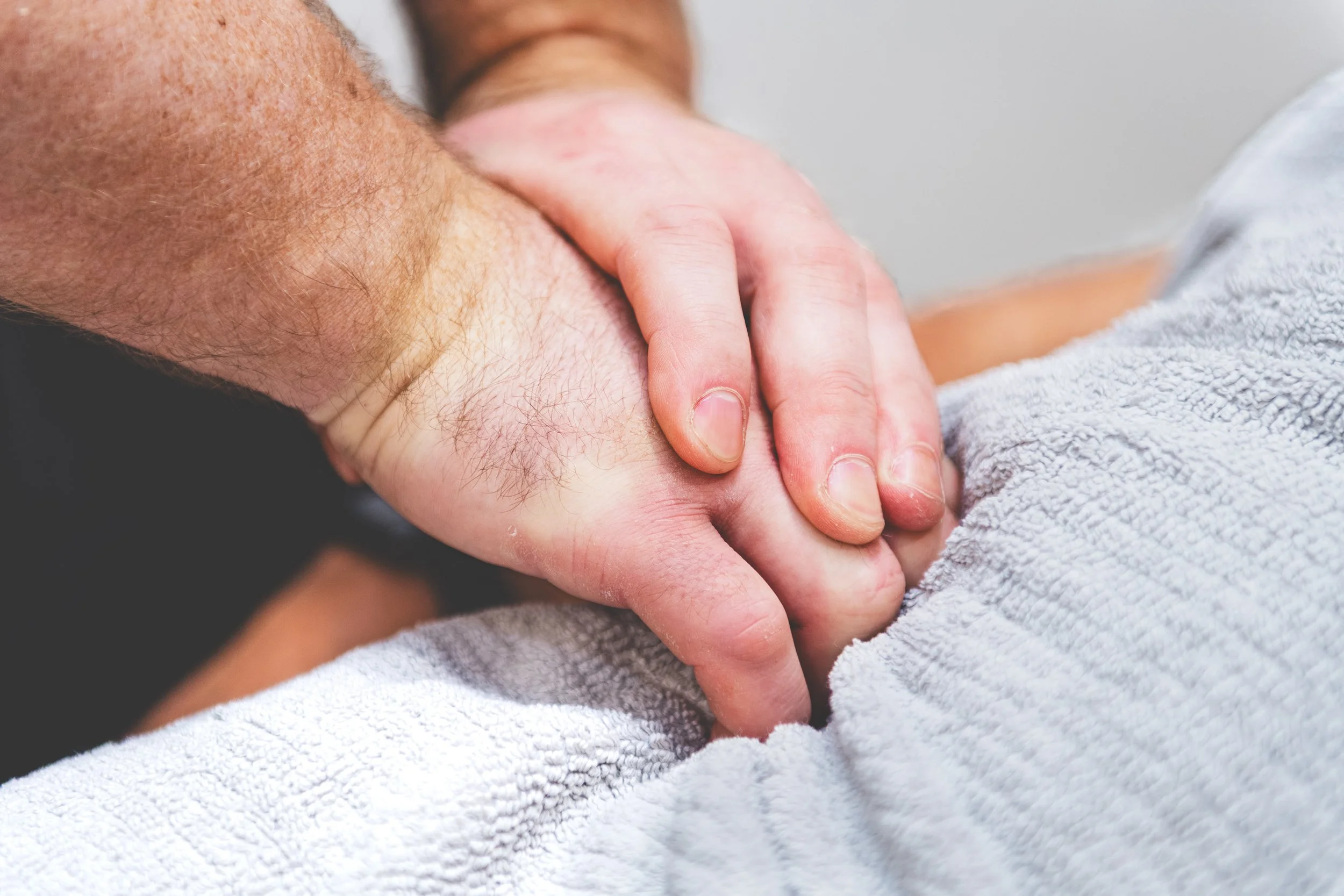
How to Get the Most Out of Your Remedial Massage Session
A few small things — mostly about communication — make a real difference to how useful your remedial massage session actually is.
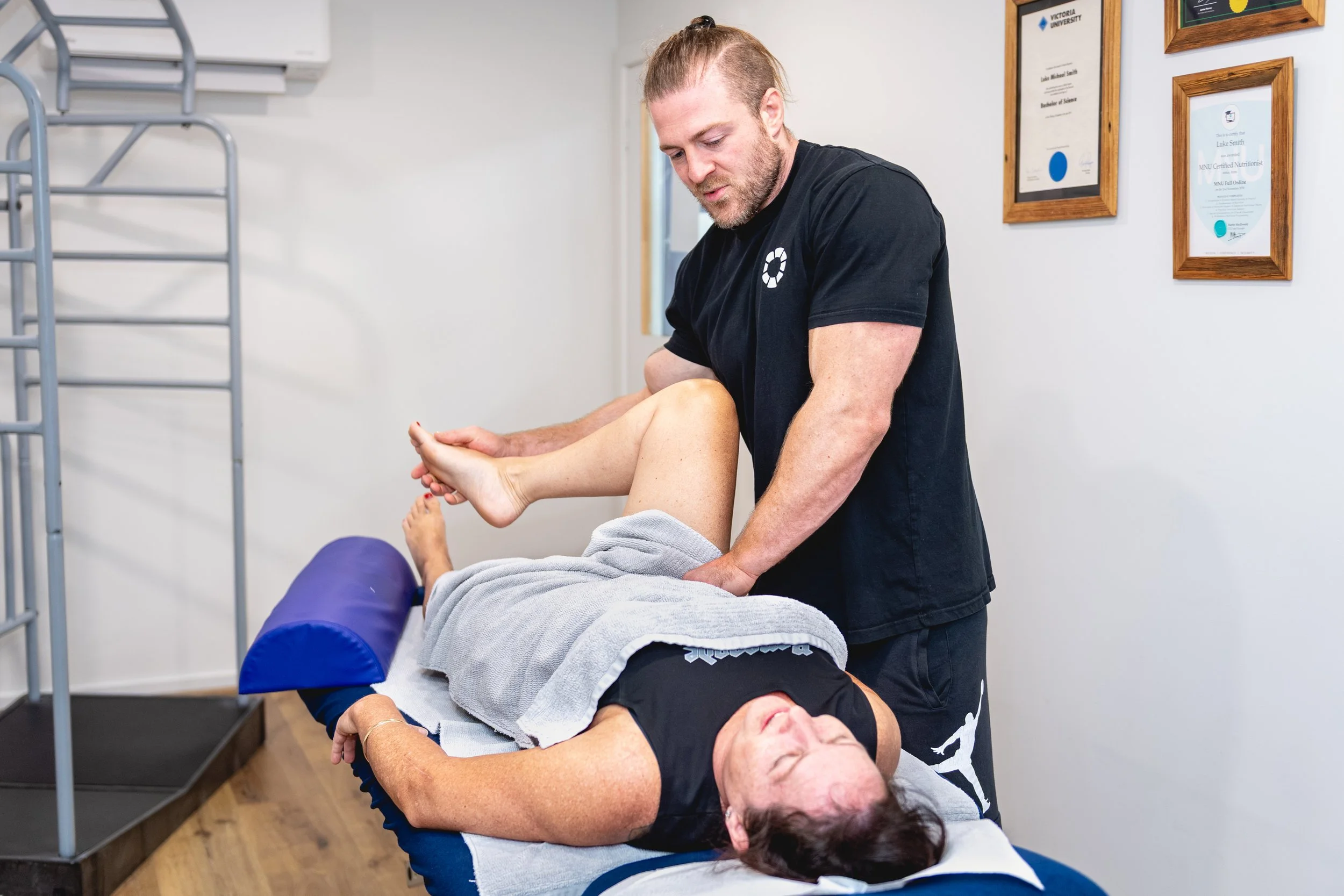
Remedial Massage for Lower Back Tightness: What to Expect
Lower back tightness rarely stays isolated to the lower back. Here's what a session typically covers, and when it's more than tightness.
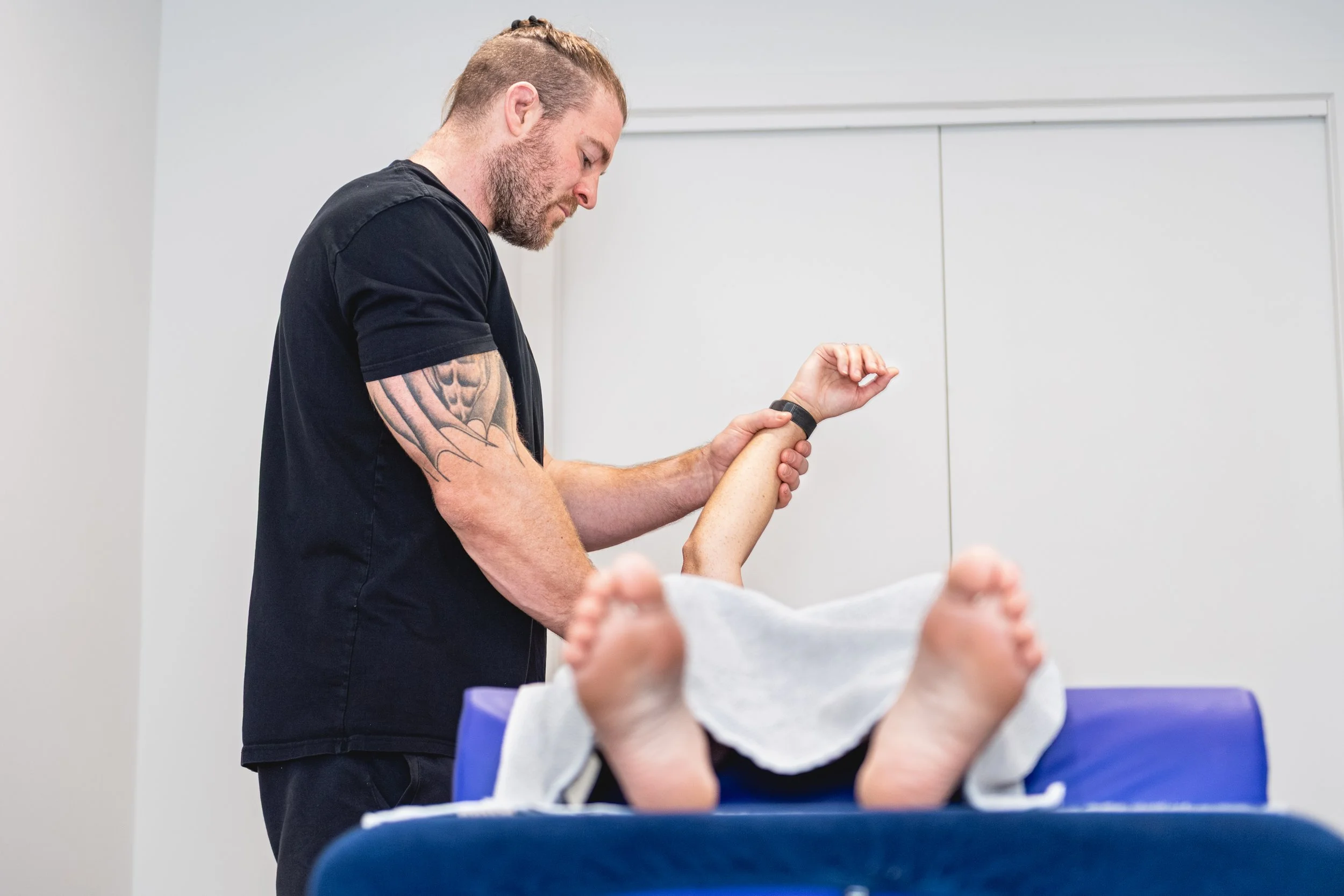
The Truth About "No Pain, No Gain" Massage Advice
Chasing pain during a massage usually works against you. Here's what discomfort actually tells you, and why communication beats toughing it out.
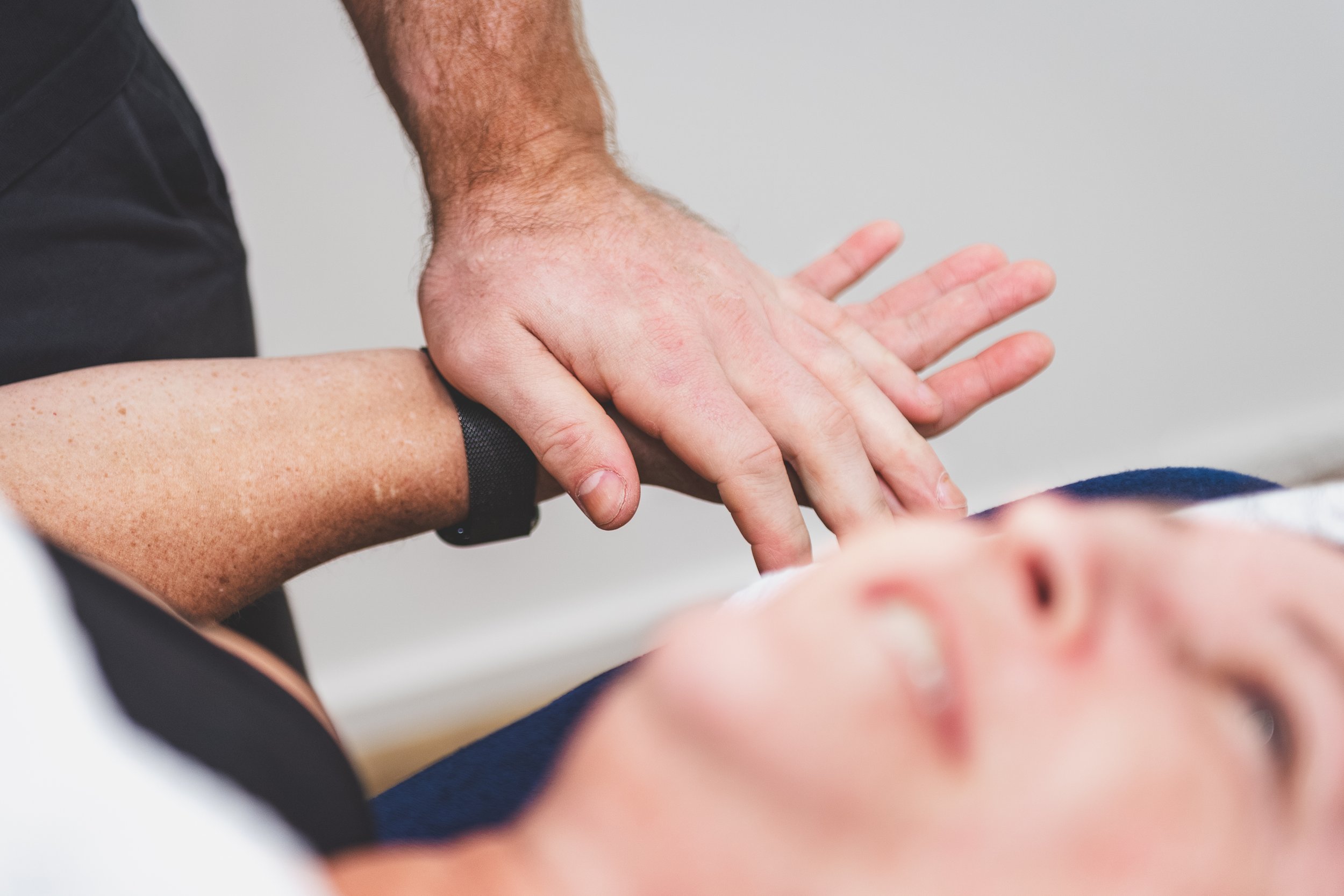
Why Athletes Book Remedial Massage Before Competition, Not Just After
Pre-competition massage isn't about loosening up right before you compete — here's how timing changes what it's actually for.
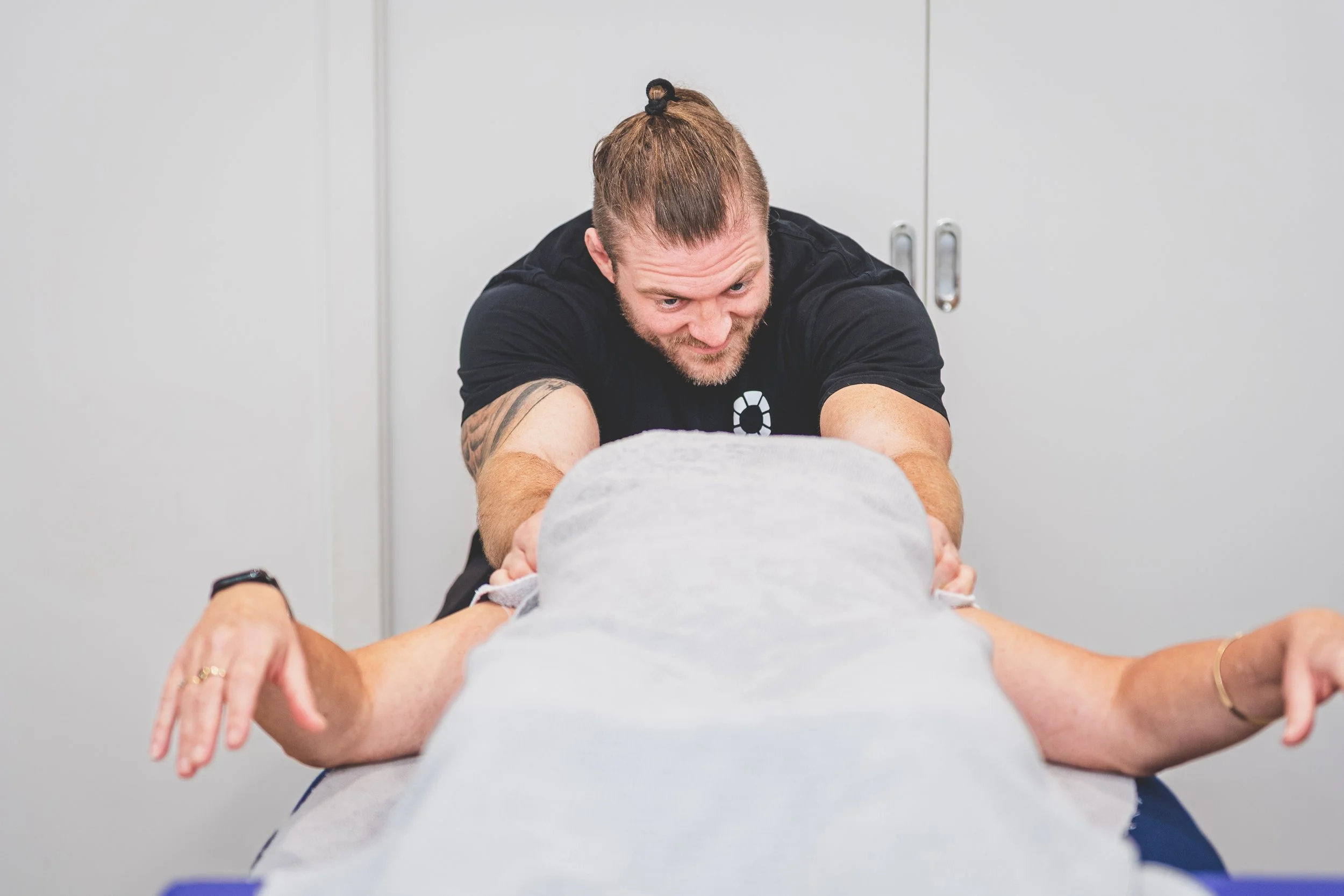
Tight Neck and Shoulders from Desk Work? What Actually Helps
Why desk work causes neck and shoulder tightness, what genuinely helps between sessions, and when it's time to get it assessed.
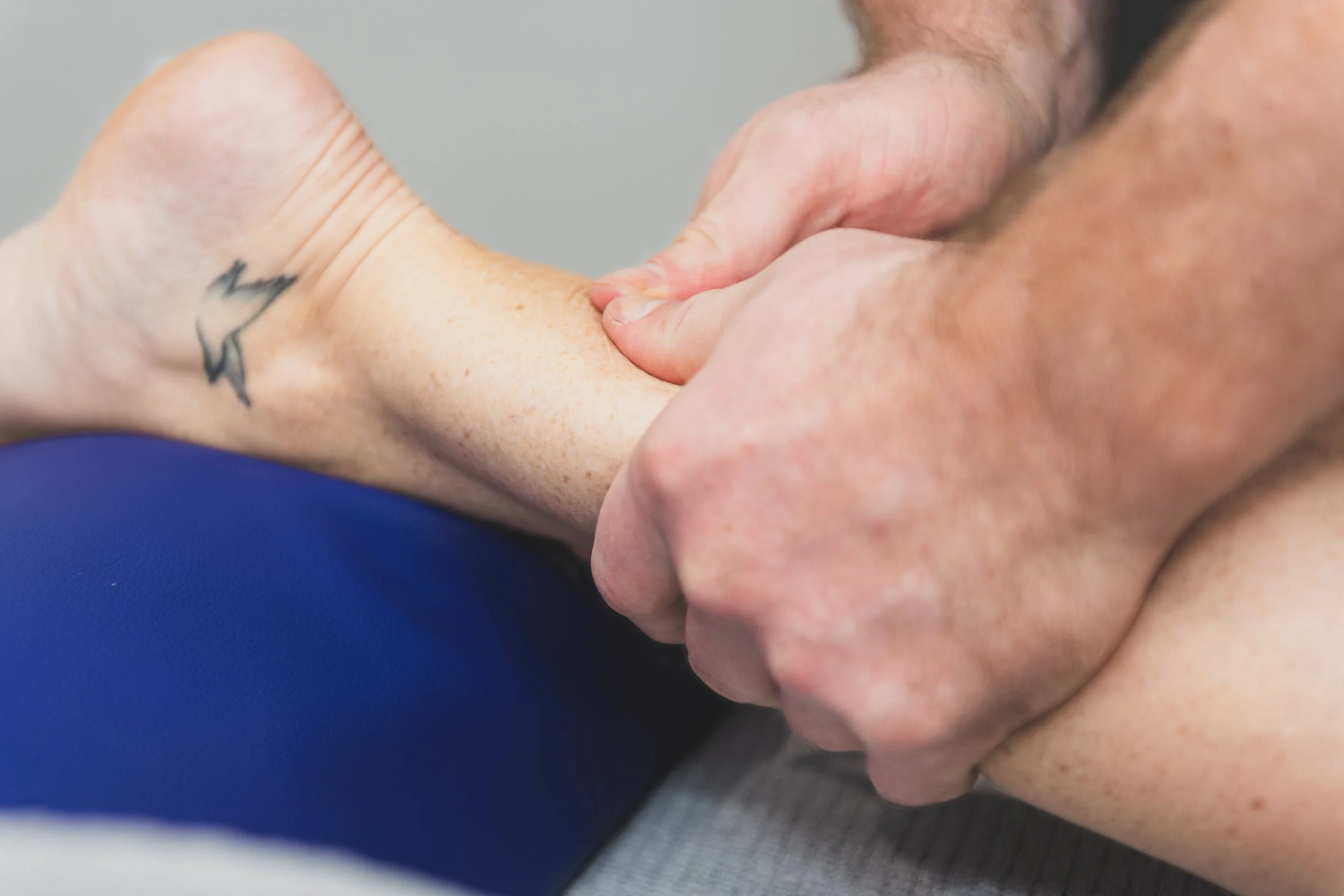
Remedial Massage or Osteopathy — Which Should You Book?
Muscle tightness or something more? A practical guide to choosing between remedial massage and osteopathy at Mixed Osteo.
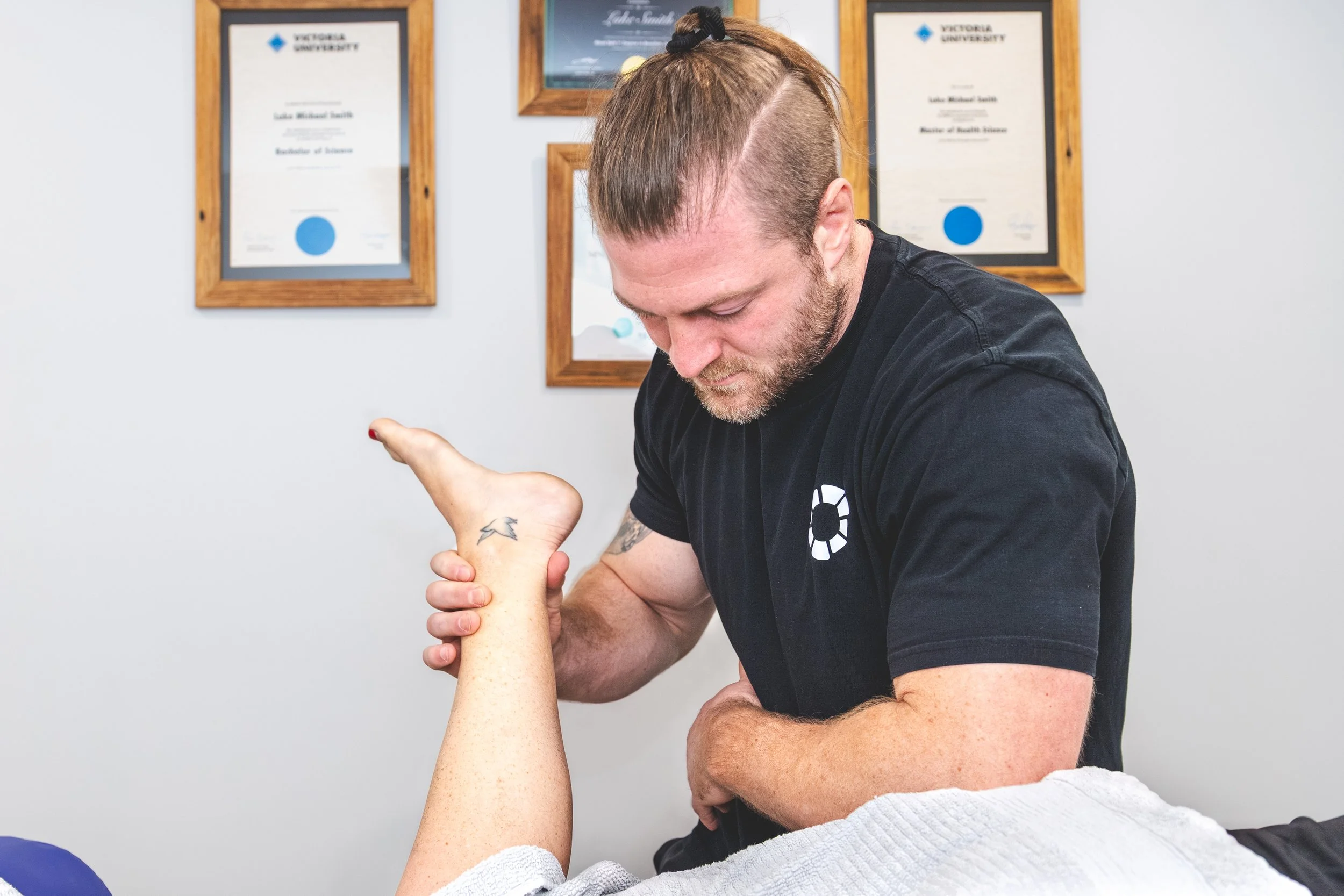
Remedial Massage vs Deep Tissue Massage — What's the Difference?
Remedial massage and deep tissue aren't competing options — one describes the purpose, the other the pressure. Here's how to tell which you need.
Recovery for Runners: Managing Tightness from the Maribyrnong River Trail
Why the Maribyrnong River trail is a common source of running-related tightness, and how local runners build recovery into their training.
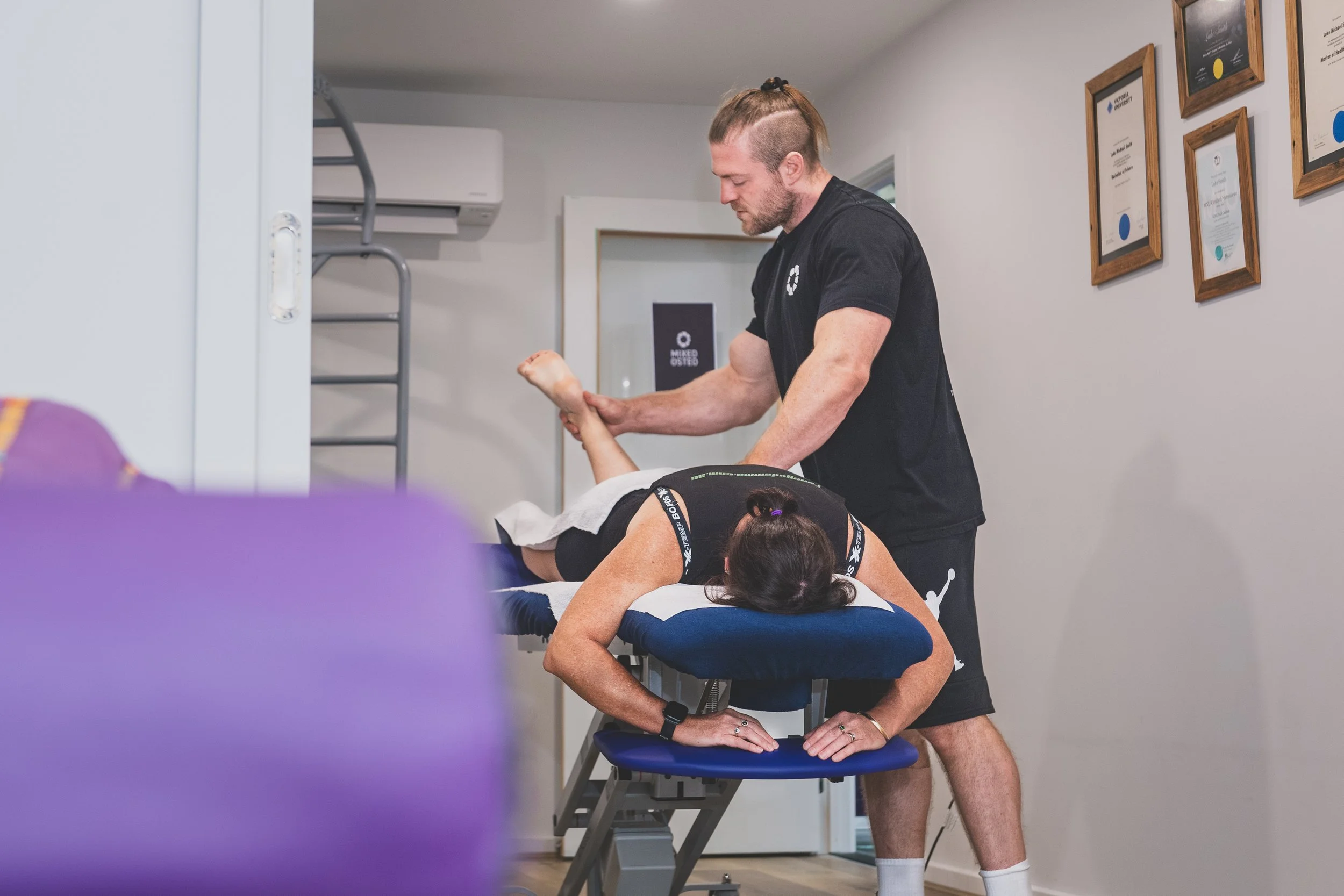
How Often Should BJJ and MMA Athletes Get Remedial Massage?
A practical guide to how often grapplers and strikers should book remedial massage, based on training volume and competition timing.
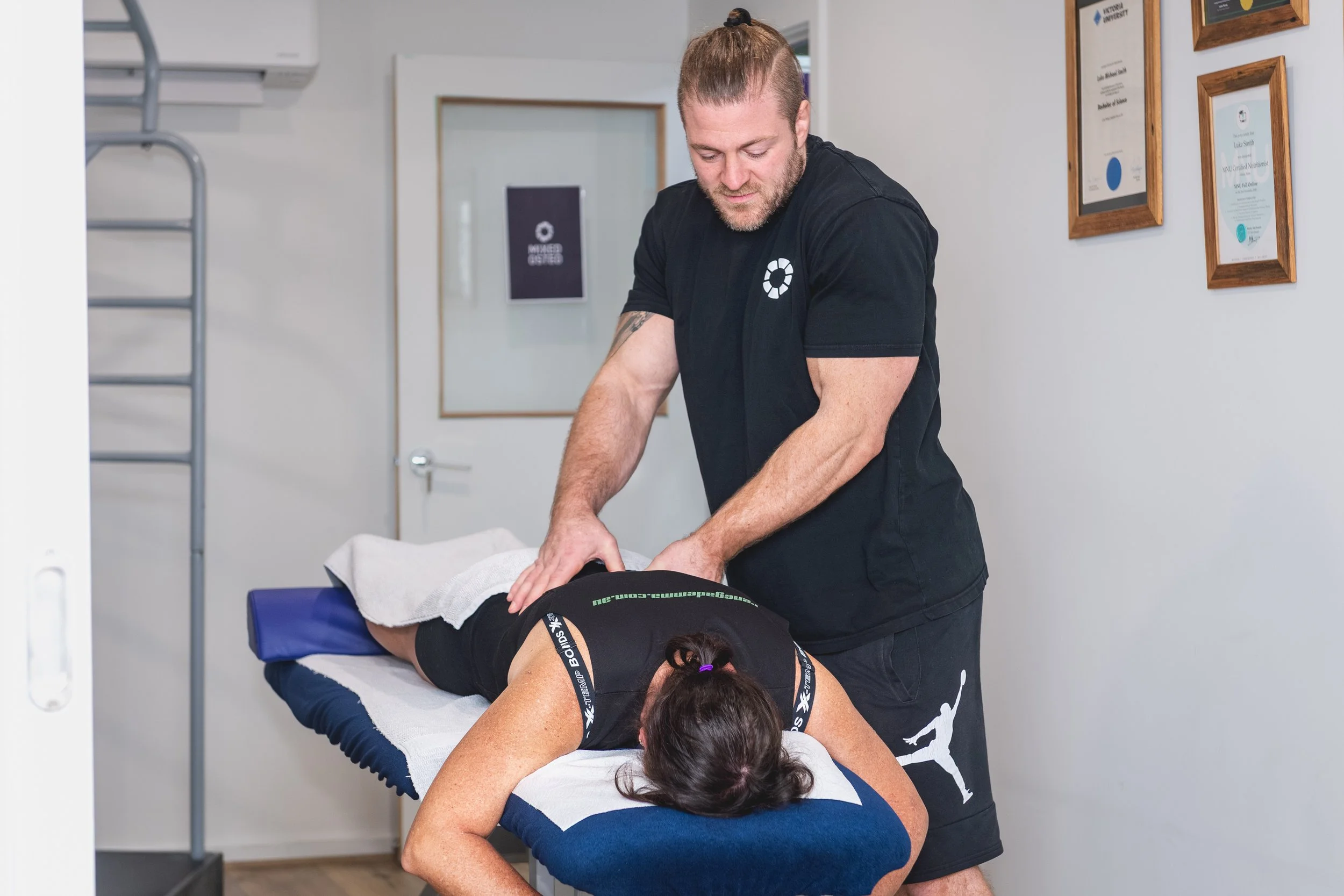
Post Injury Martial Rehab: The Role of Remedial Massage
Injuries are part of martial arts, but how you recover determines how quickly and safely you return. Remedial massage can play a key role in reducing pain, restoring movement, and supporting long-term rehabilitation.
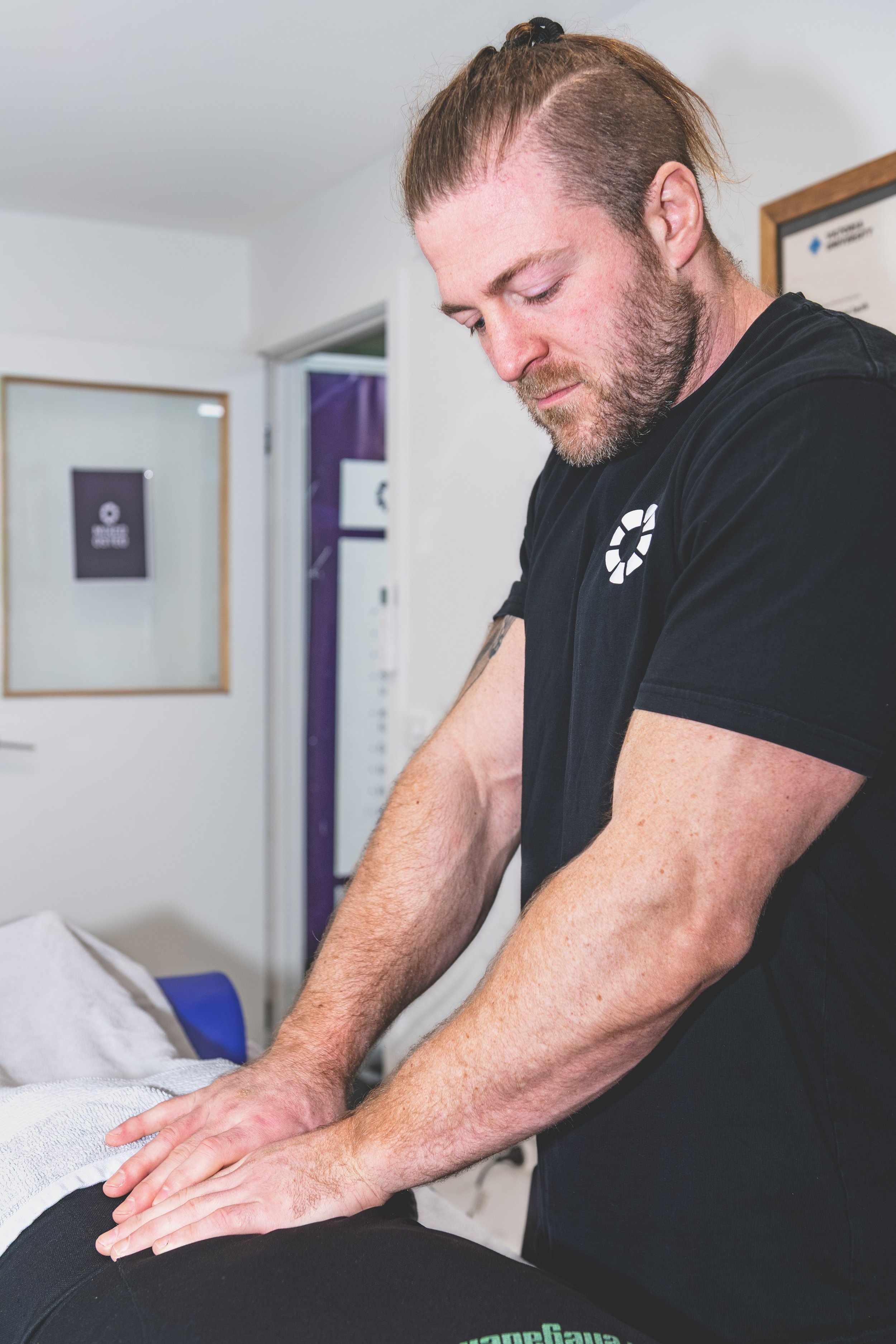
Remedial Massage for Martial Artists: What to Expect in a Session
Remedial massage for martial artists goes beyond relaxation. It’s a targeted, performance-focused treatment designed to reduce muscle tension, improve mobility, and support recovery from the demands of training and competition.
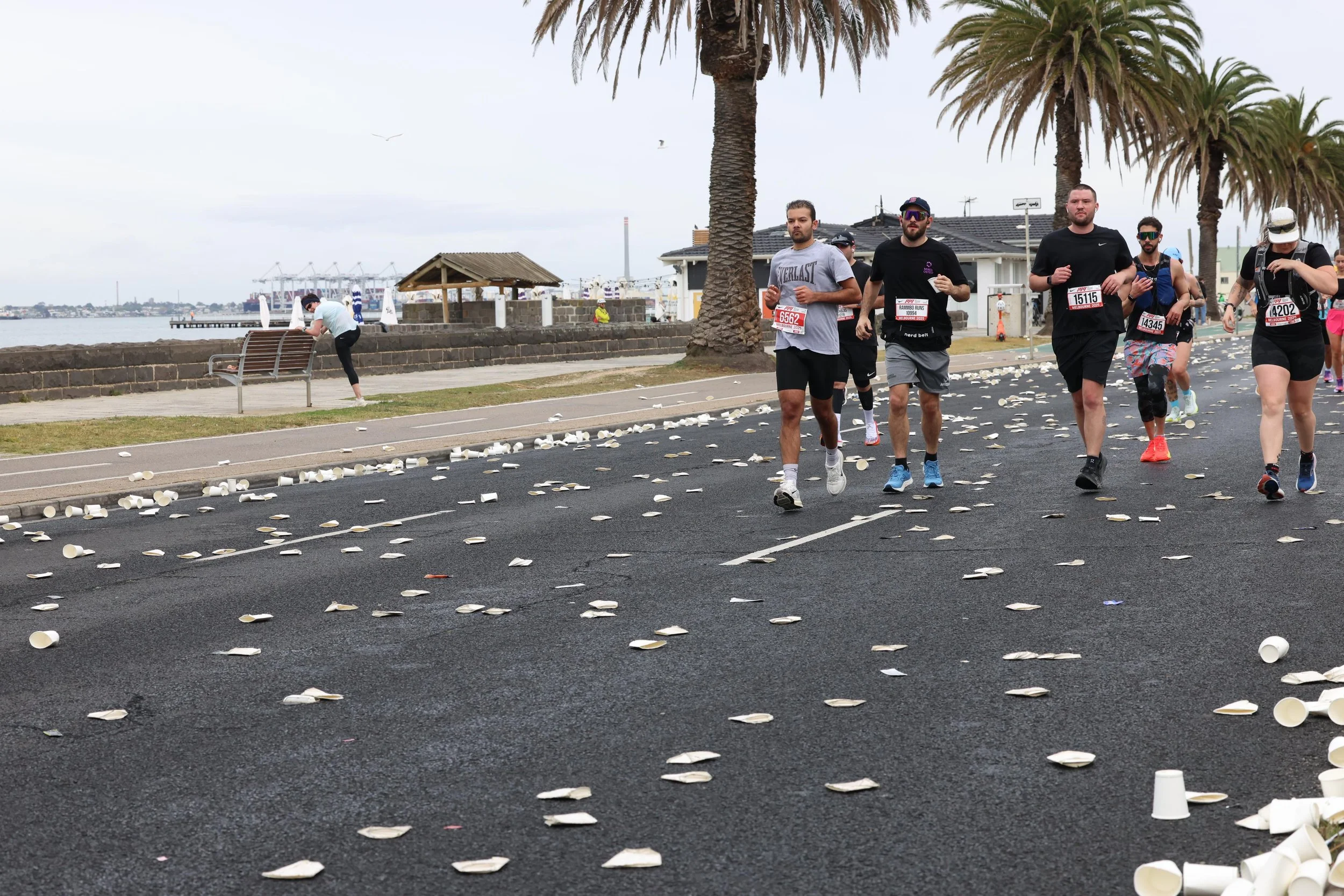
How Often Should Runners Get Treatment?
Many runners wait until they are in pain before seeking treatment. However, regular osteopathy and remedial massage can help prevent injuries, improve recovery, and keep training consistent.
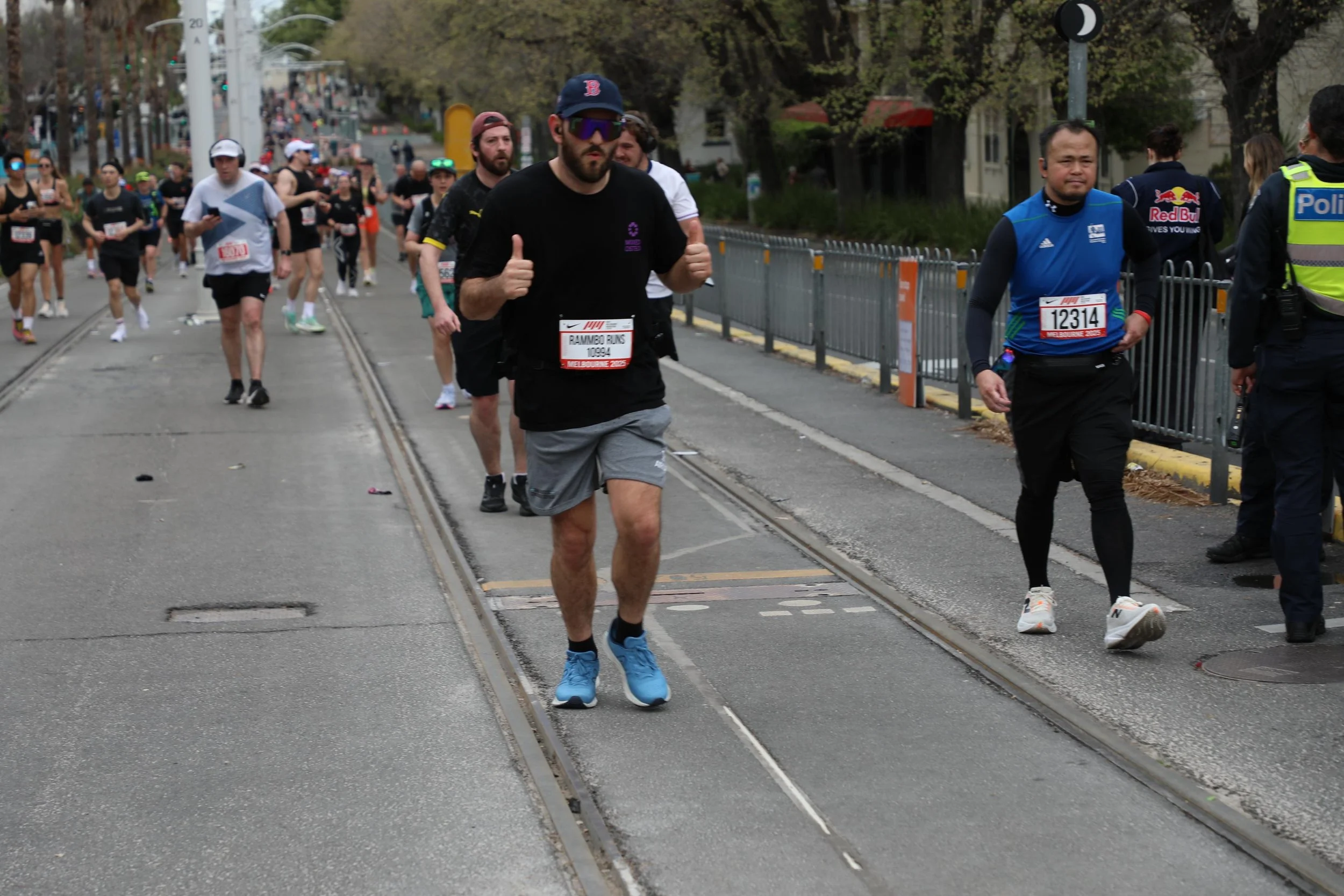
Running Into Your 40s, 50s & Beyond: Staying Strong, Injury-Free & Consistent
Running in your 40s, 50s and beyond is not only possible—it can be one of the best ways to stay fit and healthy. The key is adapting your training, recovery, and strength work to support your body as it changes.
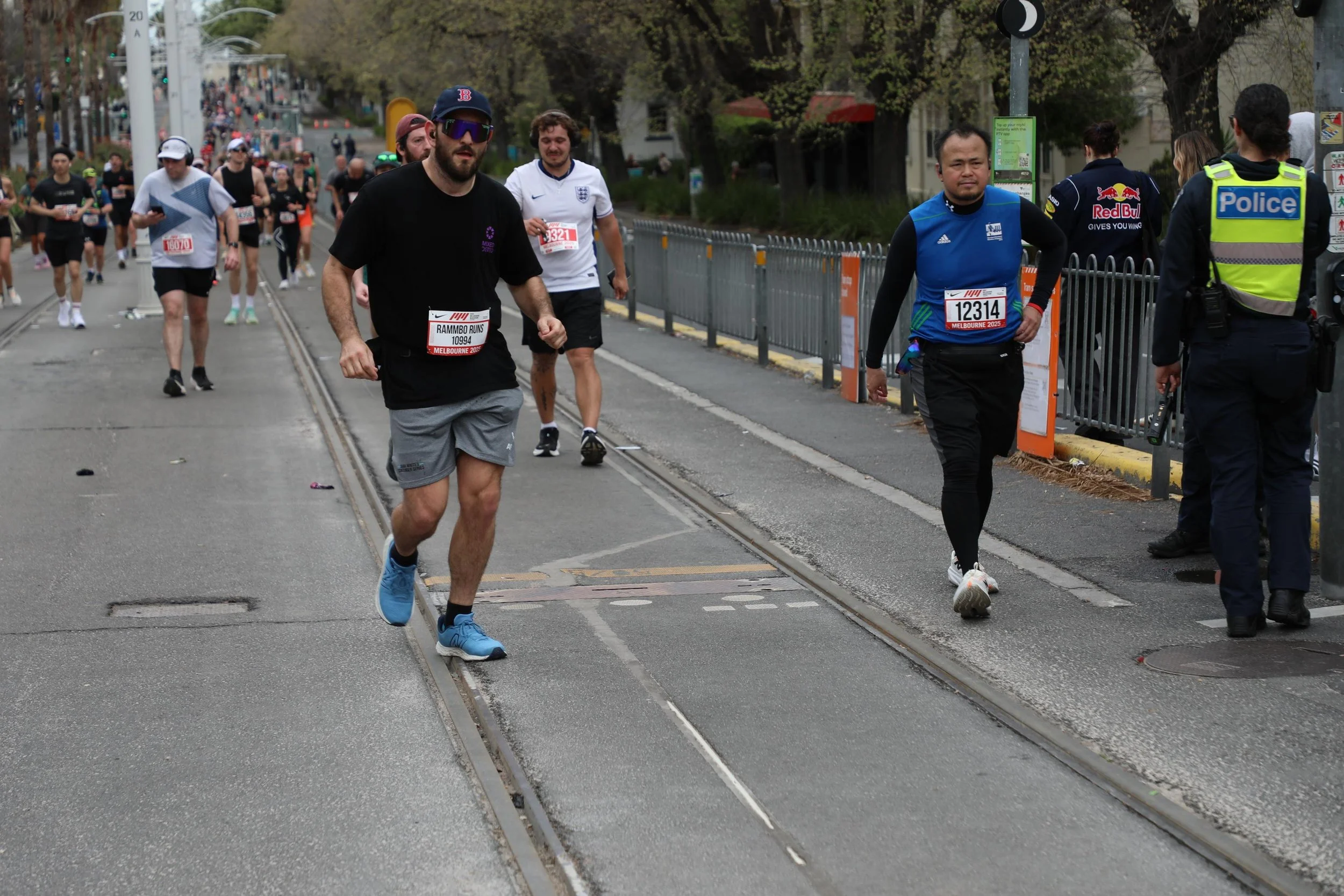
Mobility Every Runner Should Maintain
Mobility is one of the most overlooked aspects of running performance and injury prevention. Maintaining mobility in key areas can reduce stress on the body, improve efficiency, and help runners stay consistent with training.